
Water damage is one of the most common and destructive issues in construction. Whether it’s a residential home, commercial structure, or an industrial building, poor waterproofing can lead to mold, structural weakness, peeling paint, and health hazards. That’s why waterproofing is not just an option it's a necessity in modern construction. Builders, engineers, and contractors must stay informed about effective waterproofing techniques to ensure long-lasting, safe, and reliable structures. In this blog, we will explore key waterproofing methods every builder should know, along with their applications and benefits.
Understanding the Importance of Pre-Construction Waterproofing
Waterproofing begins before the first brick is laid. Pre-construction waterproofing is essential, especially for basements and foundation levels that come in direct contact with soil. This includes the application of waterproofing membranes or coatings on foundation walls and slabs. Builders should prioritize soil grading, drainage systems, and moisture barriers early in the project timeline to prevent seepage or water-related damage in the future.
Cementitious Waterproofing Simple Yet Effective
Cementitious waterproofing is one of the oldest and most widely used methods in construction. It involves applying a mixture of cement-based materials and special waterproofing compounds. Builders typically use it in internal wet areas such as bathrooms, kitchens, water tanks, and basements. While it’s easy to mix and apply, it does not flex with the building, making it unsuitable for areas with potential movement or exposure to weather.
Liquid Waterproofing Membranes for Flexibility and Durability
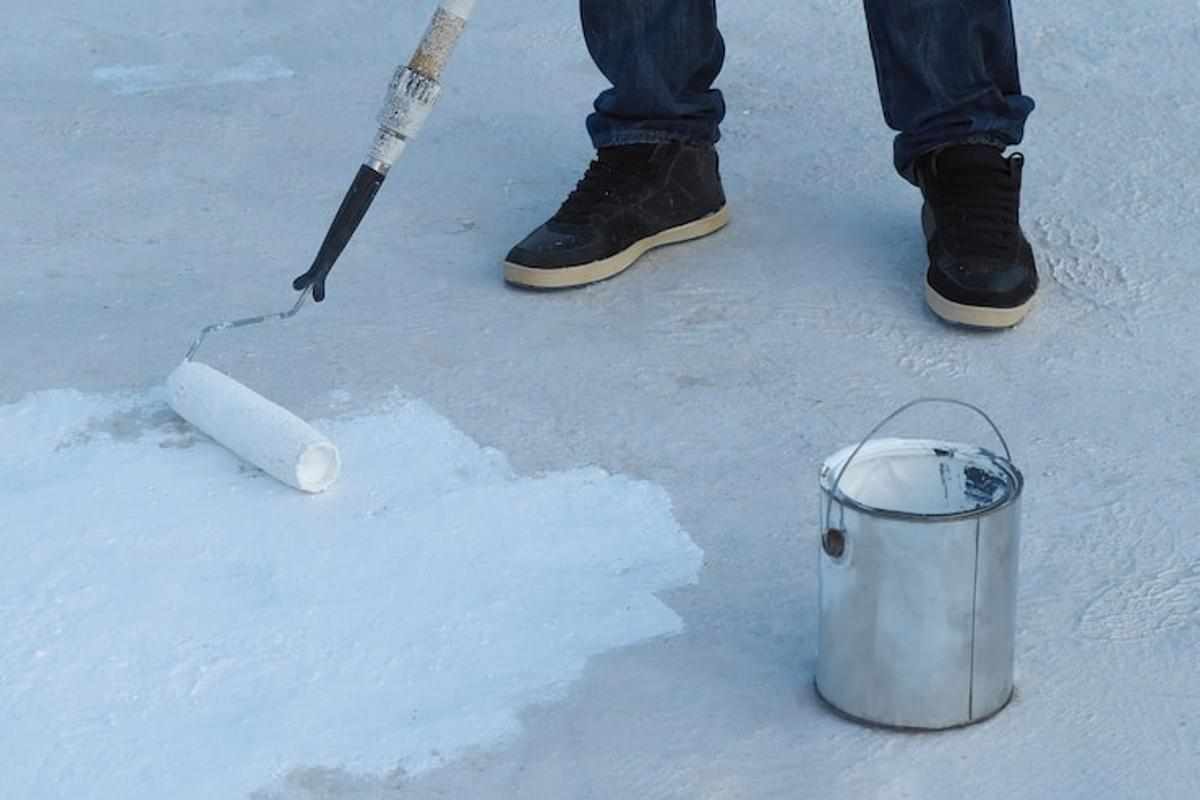
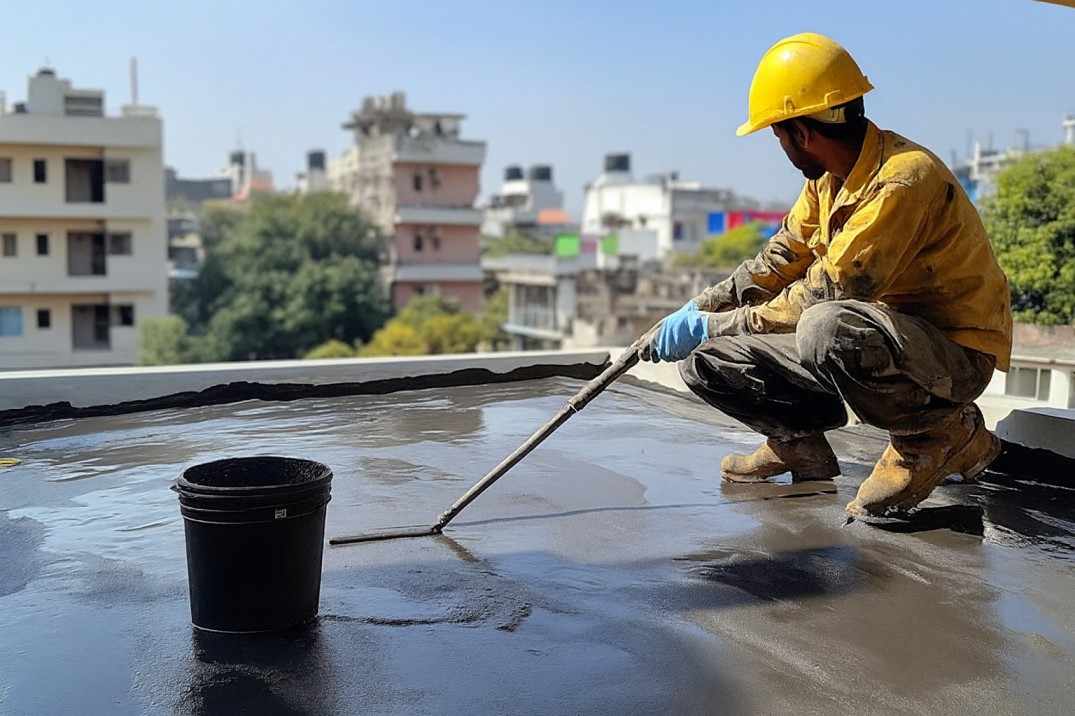
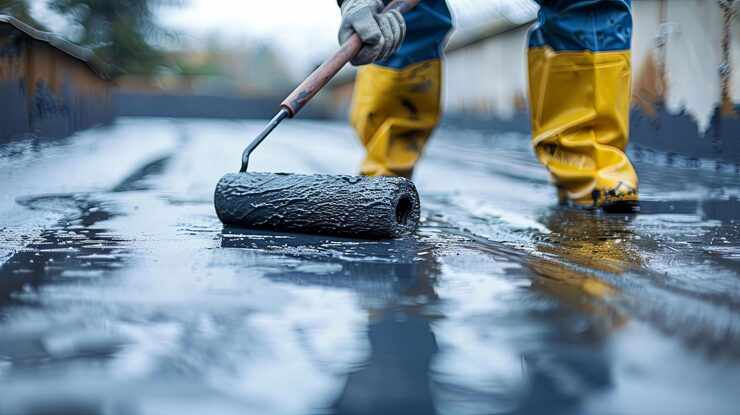
Liquid waterproofing is a modern technique that offers seamless, joint-free protection. Applied using a roller or spray, it forms a flexible coating over the surface and is ideal for rooftops, balconies, and terraces. The flexibility allows it to withstand structural movement and thermal expansion. Builders should ensure correct thickness and curing time for maximum performance.
Bituminous Coating and Membranes for Substructure Protection
Bituminous waterproofing is a reliable method used for foundations, basements, and substructures. Bitumen-based coatings provide strong water resistance and adhere well to concrete surfaces. There are two common types: bituminous coatings (paint-like application) and bituminous membranes (roll-on sheets). Builders must pay attention to overlap joints and bonding techniques for effective application.
Polyurethane Waterproofing Ideal for Exposed Areas
Polyurethane liquid membrane is a premium waterproofing solution known for its elasticity, high durability, and resistance to chemicals. It's commonly used on exposed areas like flat roofs and balconies where water pooling is frequent. Although it comes at a higher cost, its long-term performance and UV resistance make it a top choice for builders seeking a robust waterproofing system.
Injection Grouting Targeted Waterproofing for Cracks and Leaks
Over time, buildings may develop cracks or leakage paths, especially in basements and concrete joints. Injection grouting involves injecting chemical solutions like polyurethane or epoxy into the cracks, which then expand and seal the space. Builders can use this as a remedial waterproofing method or during renovation projects. It's a precise technique requiring skilled application for best results.
Exterior vs. Interior Waterproofing Knowing Where and When to Apply
Builders must understand the difference between exterior and interior waterproofing to choose the right method for the right situation. Exterior waterproofing is a proactive measure, often done during construction, to prevent water from entering the building envelope. Interior waterproofing, on the other hand, is usually reactive and addresses moisture already inside. A well-designed building often uses a combination of both to ensure maximum protection.
Frequently Asked Questions (FAQ)
Q1: When should waterproofing be done during construction?
Waterproofing should be done at various stages of construction, starting from the foundation to the final finishing. Early application, especially in basements and roofs, is crucial for long-term durability.
Q2: Can waterproofing be applied after construction?
Yes, several techniques like injection grouting and membrane coatings can be used post-construction for repair and maintenance.
Q3: What is the life expectancy of waterproofing systems?
Depending on the technique and quality of materials used, waterproofing can last 5 to 15 years or more, with proper maintenance.
Q4: Are waterproofing materials environmentally friendly?
Many modern waterproofing products are eco-friendly, non-toxic, and low in VOCs, making them safe for indoor use and sustainable construction.
Q5: Can waterproofing reduce overall building costs?
Absolutely. Investing in high-quality waterproofing early on prevents costly repairs due to water damage and extends the life of the structure.
Conclusion
Every builder should consider waterproofing as an integral part of construction, not an afterthought. From basic cementitious coatings to advanced polyurethane membranes, the right technique can protect the structure from moisture-related problems for years to come. Knowing when and where to apply each method ensures stronger, safer, and more resilient buildings. For best results, always work with certified professionals and choose products that suit the project’s specific needs.


Write a comment ...